


 ©2022 Maui Jim, Inc. Lahaina, Hawaii
September 8, 2026
Best Sunglasses for Fishing: A Universal Guide
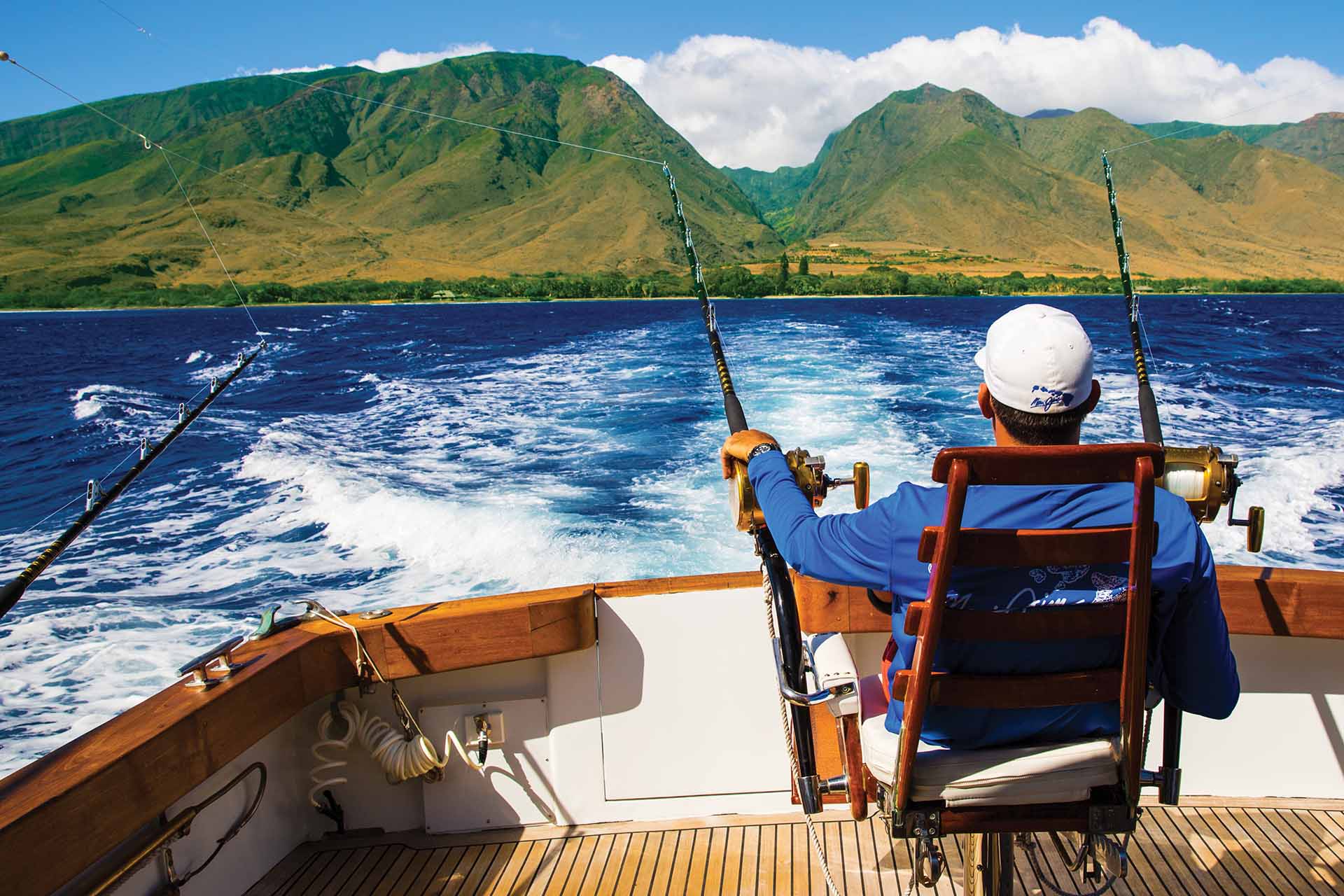
Polarized lenses are essential for fishing. They eliminate the surface glare that would otherwise make it nearly impossible to see beneath the water, which means better visibility of fish, structure, and changes in depth. Beyond polarization, the right lens color depends on the water you fish: darker lenses like Blue Hawaii for open water and bright offshore conditions, lighter warm lenses like HCL Bronze for inshore, flats, and freshwater fishing where you need to spot fish against a lighter bottom.
Non-polarized sunglasses simply can’t do this job. Without a polarizing filter, glare off the water’s surface overwhelms everything beneath it, no matter how dark the lens is.
Why polarization matters more for fishing than almost anything else
Water is one of the most reflective surfaces you’ll ever wear sunglasses near, and that reflected glare sits directly on top of the exact thing you’re trying to see: what’s under the surface. A polarized lens filters out that horizontal glare specifically, which is why anglers can look at the same stretch of water with and without polarized lenses and see a completely different amount of detail below the surface. This is sight fishing’s entire foundation, spotting fish, structure, and bottom composition before you cast.
Lens color by fishing environment
| Environment | Recommended lens | Why |
| Offshore / open water, bright sun | Blue Hawaii (HCL Bronze base with blue mirror) | Maximum glare elimination on reflective open water |
| Inshore / flats fishing | HCL Bronze | Enhances contrast against sand and grass bottoms where fish sight-fishing depends on spotting subtle color changes |
| Freshwater, lakes and rivers | HCL Bronze or Maui Rose | Strong all-around contrast for varied bottom types and lighting |
| Overcast or low-light days | Maui Rose | Boosts contrast when there’s less overall light to work with |
| Deep-sea / big-game fishing | HT (neutral gray) | Reduces intense light exposure over long days offshore without shifting color perception |
What else matters for a fishing frame
Wraparound or side coverage. Glare doesn’t just come from directly ahead. Frames with side coverage or wrap reduce light leaking in from the periphery, which matters on open water where reflection comes from every angle.
A secure, comfortable fit for long days. Fishing often means hours in one sitting. A frame that pinches or slides gets worse, not better, over a full day on the water.
Corrosion resistance. Salt air and saltwater spray are hard on hardware. Frames built with corrosion-resistant materials hold up better over repeated trips than standard finishes.
Floatable options. Losing a pair overboard is a real, common problem. Some anglers prefer frames designed to float or use a retention strap as a backup.
Freshwater vs. saltwater: does it change the choice?
The core requirement, polarization, doesn’t change. What shifts is lens color priority and frame durability. Saltwater environments call for corrosion-resistant hardware and often benefit from a slightly darker, more glare-focused lens like Blue Hawaii given the intensity of open-water light. Freshwater fishing on lakes and rivers, especially sight fishing for bass or trout, tends to favor a warmer, higher-contrast lens like HCL Bronze that helps distinguish fish and structure against varied bottom colors.
Shop fishing sunglasses built on Maui Jim’s PolarizedPlus2 lens technology.
Frequently asked questions
Do sunglasses need to be polarized for fishing?
Yes. Polarized lenses eliminate the surface glare off water that would otherwise make it very difficult to see below the surface. Non-polarized sunglasses can reduce brightness but won’t meaningfully improve visibility into the water.
What lens color is best for fishing?
It depends on the water. Blue Hawaii works well for bright offshore conditions, HCL Bronze is the strongest all-around choice for inshore and freshwater sight fishing, and Maui Rose performs well on overcast days when contrast is harder to come by.
What’s the best lens color for spotting fish in shallow water?
HCL Bronze is generally the top choice for shallow, sight-fishing conditions like flats or clear freshwater, since it enhances contrast against sand, grass, and varied bottom colors where fish need to stand out visually.
Do I need different sunglasses for saltwater versus freshwater fishing?
The polarization requirement stays the same either way. Saltwater fishing benefits more from corrosion-resistant frame materials and often a darker lens for intense open-water light, while freshwater sight fishing tends to favor a warmer, higher-contrast lens.
Are more expensive polarized sunglasses actually better for fishing?
Often, yes, but not just because of the price tag. Higher-quality polarized lenses tend to pair the glare-blocking filter with better color enhancement and optical clarity, so you get the same glare reduction without the flat, dull view that lower-cost polarized lenses can produce.